High altitude must haves for your next trip
Traveling to high altitude destinations like Cusco, La Paz, or Lhasa requires preparation. Altitude sickness can hit anyone — even fit, experienced travellers — so having the right gear before you go can make the difference between a miserable trip and a great one. Here's what to pack.
1. Altitude sickness prevention
Your first line of defence is prevention. Start before you even land. If you're heading somewhere above 2,500m, speak to your doctor about Acetazolamide (Diamox), a prescription medication that speeds up acclimatisation. For over-the-counter options, these products have strong reviews from high-altitude travellers:
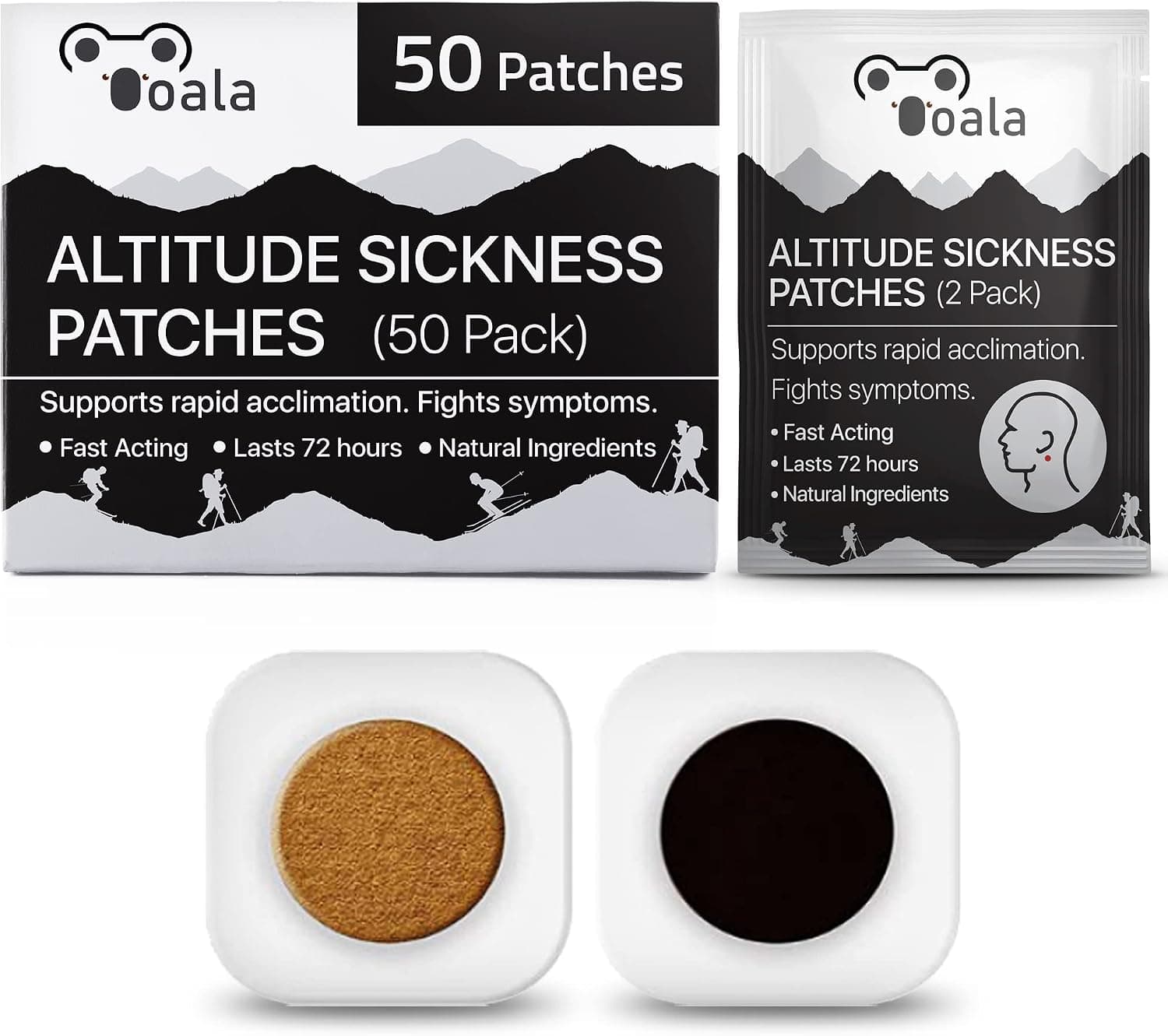
Ooala Altitude Sickness Prevention Patches
72-hour continuous protection. These patches are the most convenient way to manage symptoms while on long trails.
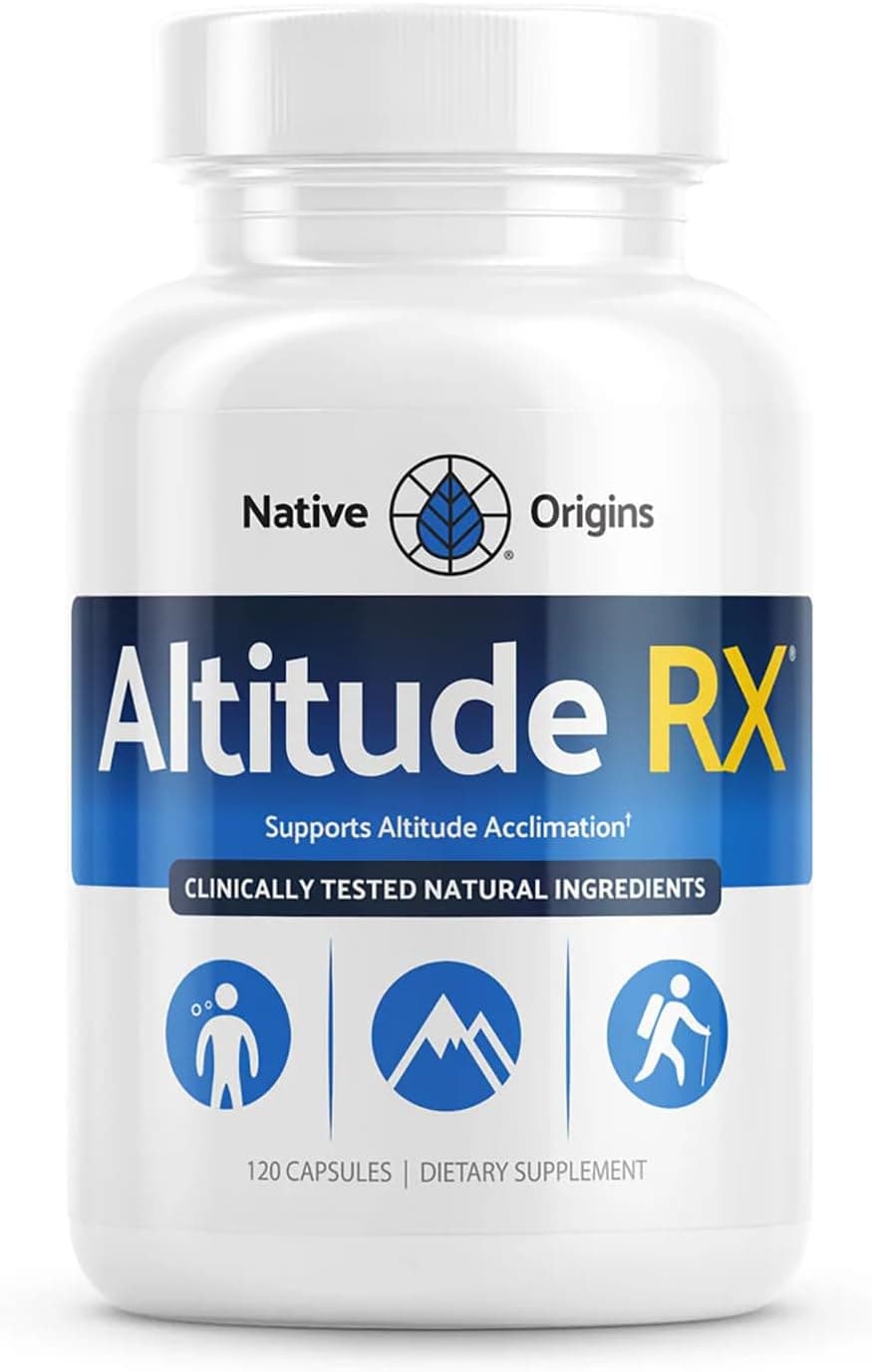
Altitude RX OxyBoost Complex
Vitamin C and alpha lipoic acid formula to support acclimation before ski or mountain trips. 60 servings.
2. Fast-acting relief
Even with preparation, symptoms can still strike. Headaches, nausea, and breathlessness can come on quickly at altitude — these are the items to reach for when they do.
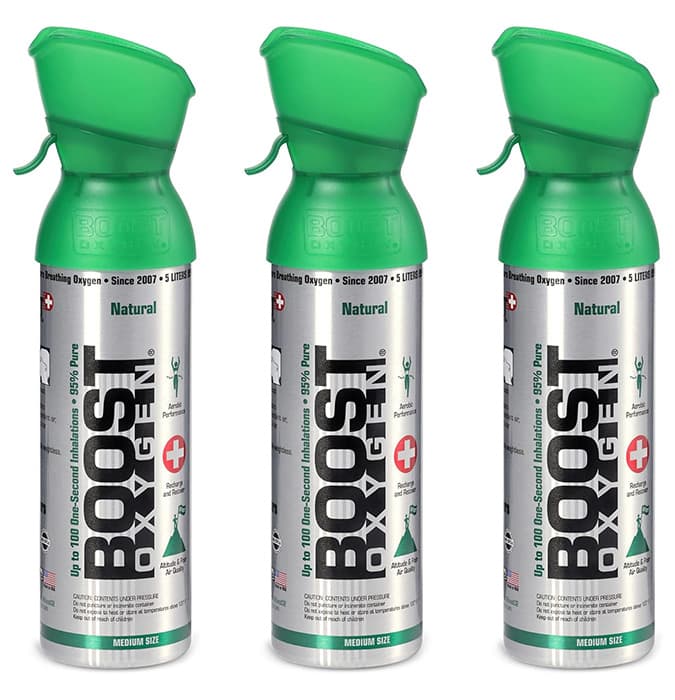
Boost Canned Supplemental Oxygen
95% pure oxygen for immediate relief of shortness of breath. Essential for those landing directly in high-altitude cities.
Note: canned oxygen cannot be brought on a plane, but it is widely sold in pharmacies and tourist shops in most high altitude cities — you should have no trouble finding it when you arrive.
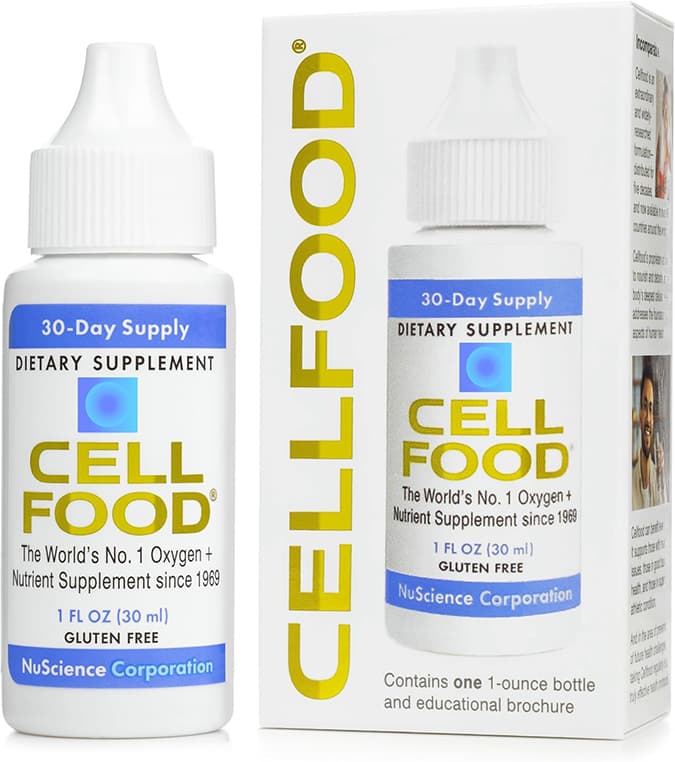
Cellfood Oxygen Boost
Liquid oxygen supplement that supports energy and recovery at altitude. A few drops in water makes over 22 quarts.
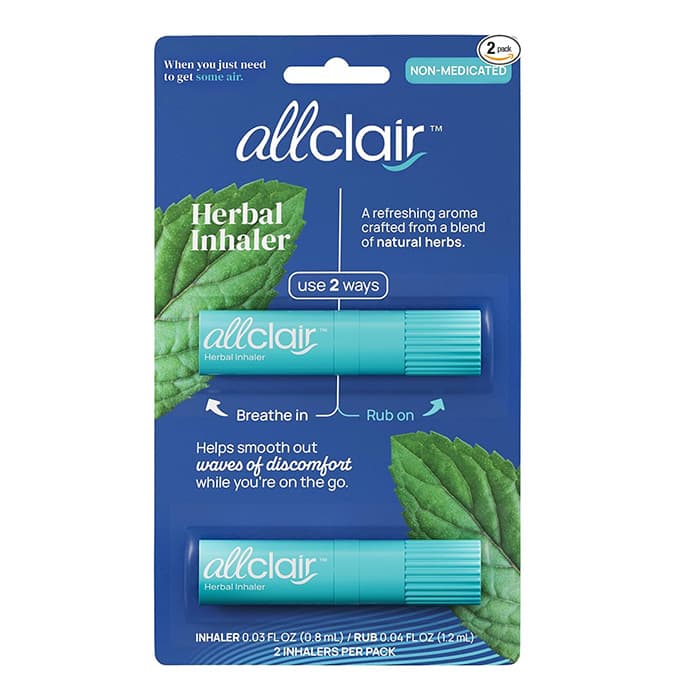
Allclair Herbal Inhaler
Drug-free herbal inhaler for instant nausea relief. Fits in any pocket — ideal for the moment symptoms hit mid-hike.
3. Hydration and acclimatisation
Staying hydrated is one of the most effective things you can do at altitude. Thin, dry mountain air pulls moisture from your body faster than you'd expect, and dehydration makes altitude symptoms like headaches and fatigue much worse. Aim for 3–4 litres of plain water per day — more if you're hiking or exerting yourself — and sip steadily throughout the day rather than drinking it all at once. Limit alcohol and caffeine for the first 24–48 hours after arrival, since both are diuretics that work against acclimatisation. Consider adding an acclimatisation drink mix to support your body as it adjusts.
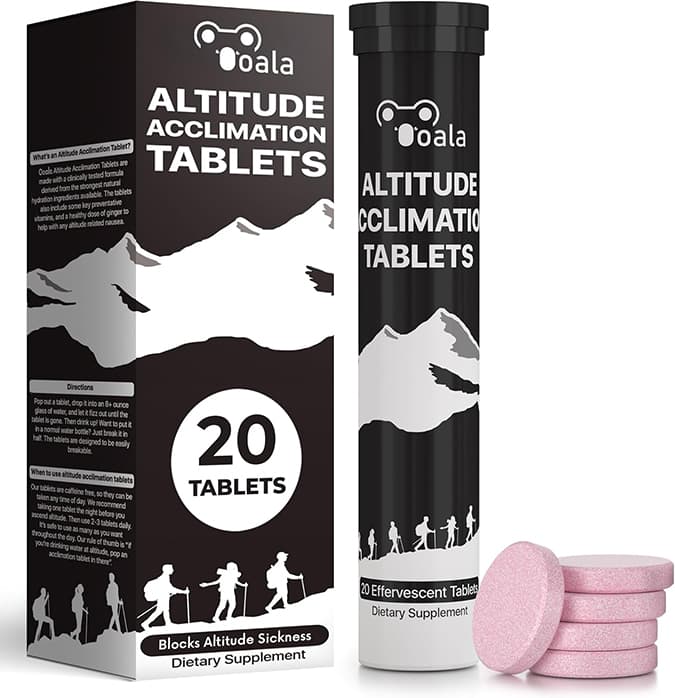
Ooala Altitude Sickness Acclimation Tablets
Caffeine-free hydration tablets with ginger to prevent nausea and boost oxygen intake. Just drop one in water before ascending.
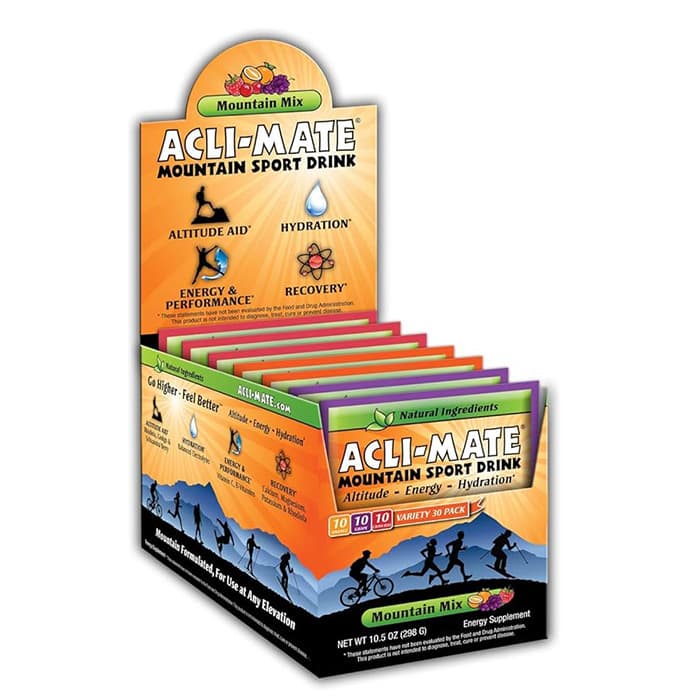
Acli-Mate Mountain Sport Drink Mix
Natural drink mix with Rhodiola and Ginkgo to support acclimatization, hydration, and energy at altitude. Great for pre-hike prep.